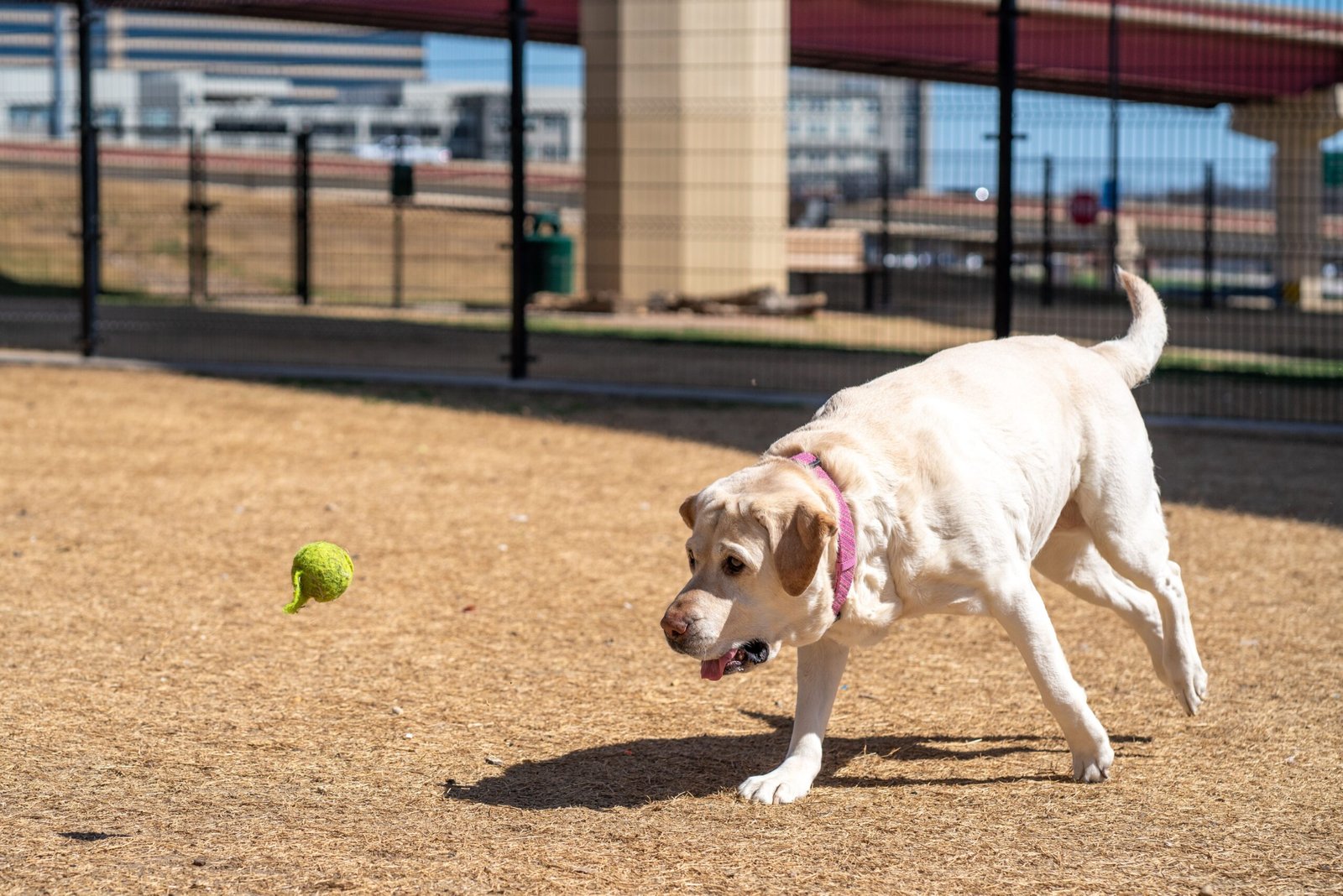
If you’ve ever lost sight of your dog at the park or worried about your cat wandering too far from home, a GPS tracker can offer real peace of mind. But not all trackers work the same way, and picking the right one depends on what you actually need.
Real GPS vs Bluetooth trackers
True GPS trackers use satellite positioning and a mobile data connection (usually via a built-in SIM card), so you can see your pet’s location anywhere there’s signal — not just nearby. These typically need an ongoing data plan, similar to a mobile phone contract.
Bluetooth trackers, like Apple’s Find My network or Google’s Find Hub, are cheaper and don’t need a subscription, but they only work within Bluetooth range or when another nearby device on the same network can relay the signal. They’re great for keeping tabs on a cat that roams the neighbourhood, less useful if your dog properly bolts.
What to check before buying
- Battery life — some trackers last days, others only hours of active tracking
- Waterproofing rating, especially important for dogs who swim or play in the rain
- Whether a data plan is required, and what it costs ongoing
- Collar compatibility and weight, particularly for smaller cats and puppies
Browse our full range of GPS trackers and wearables to find the right fit for your pet.